
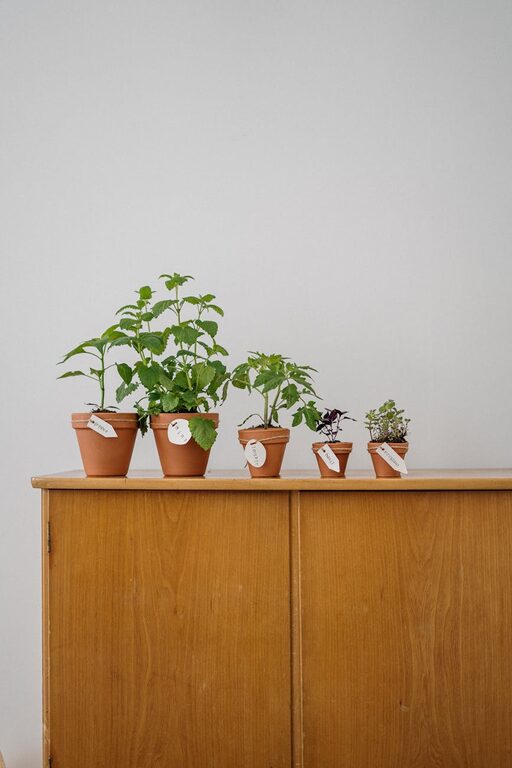
Starting a small herb garden indoors is a wonderful way to enjoy fresh, fragrant herbs year-round. Whether you have limited outdoor space or just want the convenience of picking fresh herbs from your kitchen windowsill, growing herbs indoors can be simple, rewarding, and fun. In this guide, we’ll walk you through everything you need to know to get your indoor herb garden thriving.
Why Grow Herbs Indoors?
Growing herbs inside offers many benefits:
– Fresh Flavor Anytime: Add fresh herbs like basil, thyme, or parsley directly to your meals.
– Year-Round Growth: No need to worry about weather or seasons.
– Improved Air Quality: Many herbs can help purify indoor air.
– Decorative Appeal: A small collection of green plants brightens your living space.
Choosing the Right Herbs
Not all herbs thrive indoors, so it’s best to start with varieties that are well-suited for indoor growing. Some easy, popular options include:
– Basil: Loves warmth and plenty of sunlight.
– Mint: Grows quickly and tolerates various light conditions.
– Chives: A hardy herb that grows well in pots.
– Parsley: Needs moderate light and regular watering.
– Thyme: Prefers dry soil and lots of light.
Starting with two or three types of herbs is a good choice for beginners.
Selecting Containers and Soil
Containers
Herbs need pots with good drainage to prevent root rot. Here are a few container tips:
– Use pots with drainage holes.
– Choose containers that are 4 to 6 inches deep.
– Consider ceramic, plastic, or terra cotta, depending on your style and budget.
Soil
Use a high-quality potting mix designed for indoor plants. Avoid garden soil, which can be too dense and may contain pests.
Finding the Right Spot
Lighting is one of the most important factors for indoor herbs. Most herbs require at least six hours of sunlight each day.
Suitable spots include:
– South or west-facing windows.
– Areas with bright, indirect sunlight.
If natural light is limited, consider using a grow light designed for herbs and vegetables.
Planting Your Herbs
You can start your garden in two ways:
From Seeds
– Fill your pots with potting soil.
– Plant seeds according to the package instructions (usually about ¼ inch deep).
– Keep the soil moist but not soaked.
– Place pots in a warm, bright area.
– Germination times vary, so be patient.
From Starter Plants
– Purchase small herb plants from a nursery or garden center.
– Transplant carefully into your pots, making sure roots are fully covered.
– Water thoroughly after planting.
Caring for Your Indoor Herb Garden
Watering
– Most herbs prefer soil that’s moist but not soggy.
– Water when the top inch of soil feels dry.
– Avoid overwatering which can lead to root rot.
Light
– Rotate your pots weekly to ensure even growth.
– Consider supplemental grow lights during darker months.
Feeding
– Use a balanced, water-soluble fertilizer once a month.
– Follow instructions on the package to avoid overfeeding.
Pruning and Harvesting
– Regularly pinch off the tips of herb stems to encourage bushier growth.
– Harvest leaves as needed, but try not to remove more than one-third of the plant at once.
– Remove any yellow or dead leaves promptly.
Common Challenges and How to Solve Them
| Problem | Cause | Solution |
|——————–|——————————|—————————————|
| Leggy or thin growth | Insufficient light | Move to a sunnier spot or add grow light |
| Yellowing leaves | Overwatering or poor drainage | Reduce watering, ensure pots drain well |
| Droopy plants | Underwatering or heat stress | Water more regularly, avoid heat sources |
| Lack of flavor | Overfeeding or poor light | Cut back fertilizer, provide more light |
Tips for Success
– Use a spray bottle to mist herbs on hot, dry days.
– Group pots together to create a mini greenhouse effect that increases humidity.
– Keep an eye out for pests like aphids or spider mites and treat early.
– Experiment with different herbs to see which grow best in your space.
Conclusion
Starting a small indoor herb garden is easy and rewarding with a bit of planning and care. You’ll not only enhance your cooking with fresh ingredients but also add a touch of nature to your home. With the right herbs, containers, and a sunny spot, you’ll be enjoying your harvest in no time.
Happy gardening!